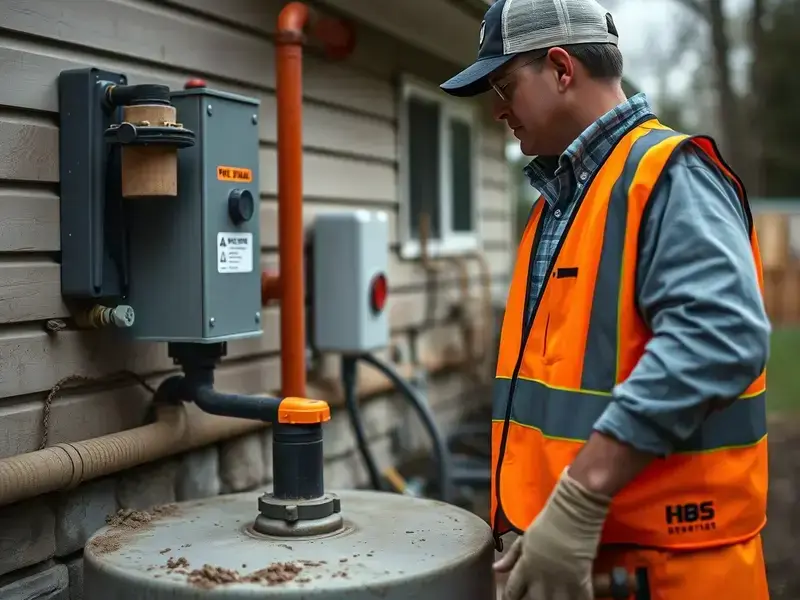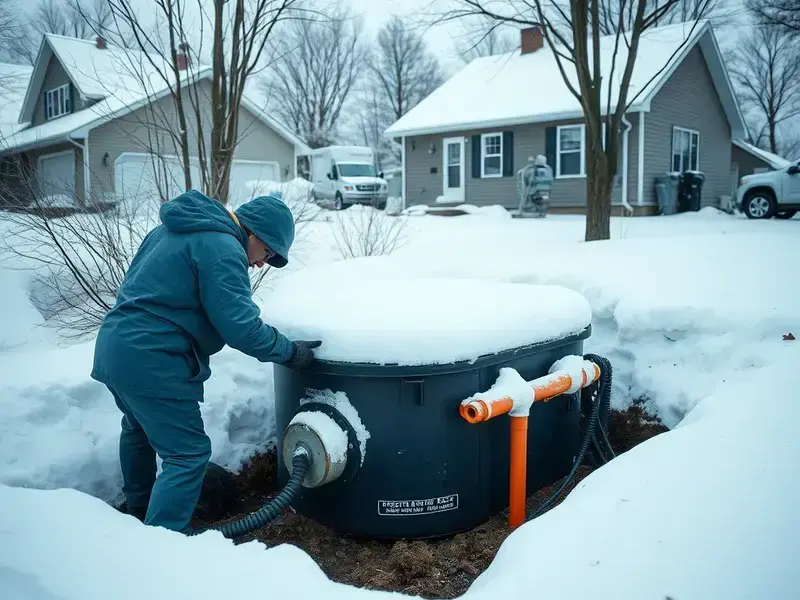
You don't need to be a septic professional to spot potential problems. With a few simple checks, you can identify issues early—before they become expensive emergencies. Here's what every homeowner should know.
Why Regular Checks Matter
Septic systems are out of sight and out of mind—until they fail. A failed septic system can cost $5,000 to $15,000 or more to repair or replace. Compare that to the cost of a simple inspection or pumping, and the value of regular checks becomes clear.
Most septic problems develop gradually. By performing these simple checks monthly, you can catch issues when they're small fixes rather than major repairs.
Check #1: The Drain Field Scan
Your drain field is essentially a living part of your septic system, so it should look healthy and functioning.
What to look for:
- Grass color: The grass over your drain field should be slightly greener than surrounding areas (indicating nutrient-rich effluent), but not dramatically different
- Soil saturation: Walk across your drain field after heavy rain. Does the ground feel unusually soft or squishy?
- Standing water: Any pooling water in your drain field, except immediately after heavy rain, is a red flag
- Odors: Sewage smells in your yard, especially near the drain field, indicate a problem
- Sinkholes: Any depressions or unusual dips in the ground over the tank or drain field
Check #2: Indoor Plumbing Survey
Your drains and toilets tell a story about your septic system's health.
Test each fixture:
- Drain speed: Run water in sinks and bathtubs. Does it drain as quickly as usual?
- Toilet flush: Flush each toilet. Does it drain fully and refill properly?
- Gurgling sounds: Listen for unusual gurgling when water drains. This can indicate backup in the system
- Multiple fixtures: Run the washing machine and flush a toilet simultaneously. Does everything drain normally?
Check #3: The Tank Level Test
You can check your tank's liquid level without opening it—but be careful when accessing the lid.
How to do it safely:
- Locate the tank: Find your septic tank (usually 10-25 feet from the house, often marked with a surveyor's stake)
- Remove the lid carefully: Use proper tools and gloves. Have someone assist you—lids can be heavy
- Check the level: Use a long stick or board to measure the liquid level from the lid down. The liquid should be about 1-2 feet below the lid
- Look for signs: Is the liquid level unusually high (near the lid)? Unusually low?
- Don't stay too long: Open tanks release hazardous gases. Close the lid promptly
Check #4: The Flush Test
This simple test reveals whether solids are reaching your drain field—a serious problem.
What you'll need: Several gallons of water and food coloring (not permanent dye).
The process:
- Choose a time: When you'll be home for several hours
- Add the color: Put 2-3 packets of food coloring (or several drops of liquid coloring) into a toilet tank. Avoid colored toilet cleaning tablets
- Flush: Flush the toilet once to release the color into the bowl
- Wait and observe: Check the toilet bowl every 30 minutes for 4-6 hours. Also check your yard near the drain field
- Interpret results: If color appears in the bowl without flushing, your flapper may need adjustment. If color appears in the yard, solids may be reaching the drain field
Check #5: The Water Usage Audit
Your septic system is designed to handle a certain amount of water. Too much water at once can overwhelm it.
Warning signs of hydraulic overload:
- Backups after heavy laundry: If drains backup after running multiple loads, your system may be overwhelmed
- Long showers: Extended showers can introduce more water than the system can handle
- Hot tub drains: Never drain a hot tub directly into your septic system
- Water softeners: Frequent regeneration cycles can add significant water volume
Pro tip: Space out heavy water usage. Run one load of laundry per day rather than several at once. Install low-flow fixtures to reduce water volume.
Creating a Maintenance Calendar
Stay organized with a simple maintenance schedule:
- Weekly: Check for slow drains, odors, or unusual sounds
- Monthly: Walk the drain field, check toilet operation, monitor water usage
- Seasonally: Inspect risers, clear debris, check for damage after storms
- Every 3-5 years: Professional pumping (frequency depends on household size and usage)
- Annually: Professional inspection to catch hidden problems
When to Call a Professional
Some situations absolutely require expert help:
- Sewage backups: Inside your home or appearing in the yard
- Persistent odors: That don't go away after a few days
- Drain field saturation: Standing water that persists
- Lid damage: Cracked, broken, or missing lids need professional replacement
- After flooding: Any time your system may have been submerged
Questions About Your Septic System?
Our technicians can answer your questions and help you create a maintenance plan tailored to your system.