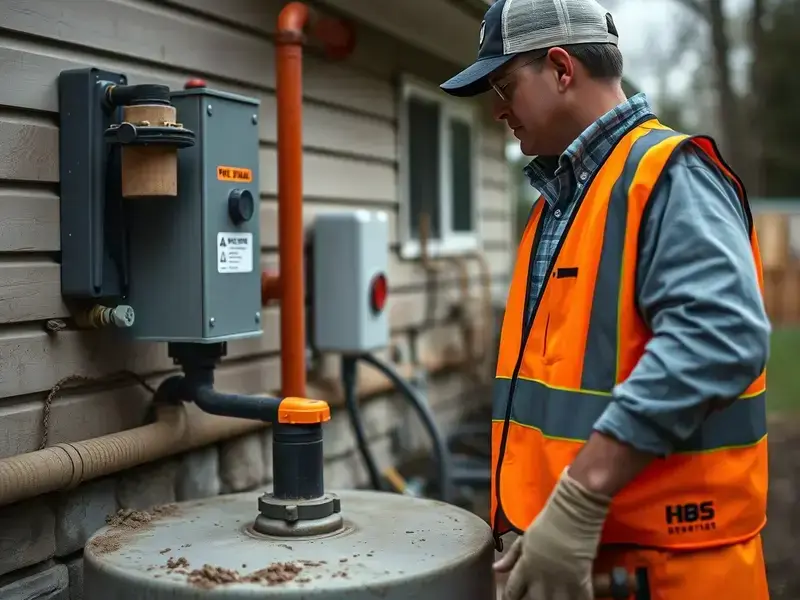
Your septic system is one of the most important investments in your home, yet it's often overlooked until problems arise. Regular maintenance not only prevents costly repairs but also extends the life of your system by decades.
Understanding Your Septic System
Before diving into maintenance tips, it's helpful to understand how your septic system works. A typical residential septic system consists of three main components: the septic tank, the drain field (also called a leach field), and the soil surrounding these components. Wastewater from your home flows into the tank where solids settle to the bottom and oils float to the top. The partially treated liquid then flows into the drain field where it's further treated by soil bacteria before returning to the groundwater.
The Golden Rule: Regular Pumping
The single most important maintenance task is having your septic tank pumped regularly. During pumping, professionals remove the accumulated sludge and scum layers, preventing them from flowing into the drain field where they could cause clogs and system failure.
Most households should pump their septic tank every 3-5 years, but several factors can affect this schedule:
- Household size: A family of 6 will need more frequent pumping than a family of 2
- Tank size: Smaller tanks (500-750 gallons) fill faster than larger ones (1,500+ gallons)
- Water usage: High water consumption accelerates tank filling
- Volume of solids: More people means more solid waste entering the system
Protect Your Drain Field
Your drain field is the final stage of treatment, and protecting it is crucial for system longevity. The drain field consists of perforated pipes buried in gravel trenches, surrounded by special microbes that break down remaining contaminants.
Avoid these common drain field dangers:
- Parking or driving vehicles: The weight can crush pipes and compact soil, reducing drainage capacity
- Planting trees nearby: Roots can invade and clog the drain lines, especially from poplar, willow, and elm trees
- Building structures: Never build sheds, decks, or patios over your drain field
- Excessive water: Divert rain gutters and downspouts away from the drain field area
What NOT to Flush
Your septic system is designed to handle human waste and toilet paper only. Everything else should stay out of your drains. Even products labeled "flushable" can cause major problems.
Keep these items out of your plumbing:
- Baby wipes, cleaning wipes, and disinfecting wipes
- Feminine hygiene products and condoms
- Paper towels, tissues, and cotton balls
- Grease, fats, and cooking oils
- Paint, solvents, and household chemicals
- Coffee grounds and eggshells
Watch for Warning Signs
Catching septic problems early can save you thousands of dollars in repairs. Be on the lookout for these common indicators that something might be wrong with your system:
- Slow drains: If multiple drains in your home are draining slowly, it could indicate a full tank or drain field problem
- Unpleasant odors: Sewage smells in your yard or near drains suggest a leak or ventilation issue
- Lush, green grass: Particularly over the drain field, might indicate wastewater surfacing
- Soggy ground: Standing water or muddy areas in your yard can signal drain field failure
- Backups: Sewage backing up into toilets or drains is a serious emergency
Minnesota-Specific Considerations
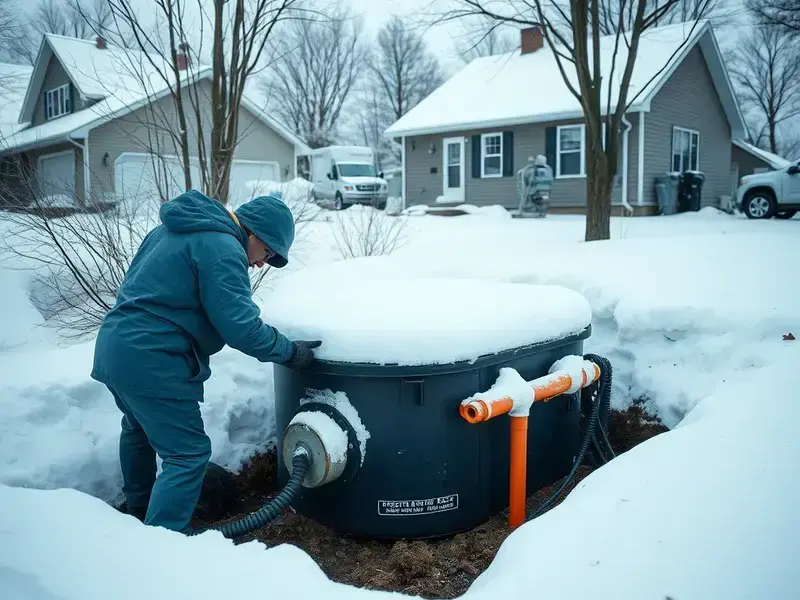
Living in Minnesota presents unique challenges for septic systems. Our freeze-thaw cycles can cause pipes to shift and crack, while our heavy spring rains can saturate drain fields and overwhelm systems. Here are some winter-specific tips:
Winter preparation checklist:
- Ensure your risers and lids are well-insulated before deep freeze
- Don't plow or pile snow directly over the drain field
- Maintain a layer of insulation with proper snow cover (snow is a natural insulator)
- Schedule fall pumping to prevent freeze-ups when levels are high
When to Call a Professional
While there are many maintenance tasks homeowners can handle themselves, some situations require professional expertise. Schedule a septic inspection if:
- You're buying or selling a home
- Your system is approaching 20-25 years old
- You notice any warning signs mentioned above
- It's been more than 3 years since your last pumping
Need a Septic Inspection?
Our certified technicians can assess your system's condition and recommend the right maintenance schedule.