Minnesota winters are notoriously harsh, and your septic system doesn't get a break just because temperatures drop. In fact, freezing temperatures are one of the most common causes of septic system failures in our state. The good news? Most winter septic problems are preventable with proper preparation.
Why Winter Is Tough on Septic Systems
Understanding how cold affects your septic system is the first step toward protecting it. Several factors make winter particularly challenging:
- Ground freezing: When temperatures drop below freezing, the soil above your tank and drain field can freeze to several feet deep, potentially freezing the contents of your tank
- Pipe exposure: Pipes running from your house to the septic tank can freeze if they're not properly buried below the frost line
- Temperature shock: Hot water entering a cold tank can create temperature differentials that stress the system
- Reduced bacterial activity: Cold temperatures slow down the beneficial bacteria that break down waste in your tank
Fall Preparation: Before the First Freeze
The best time to prepare your septic system for winter is in the fall, before temperatures consistently drop below freezing. Here's your fall preparation checklist:
1. Schedule a Fall Pumping
If you haven't pumped your tank recently (within the last 2-3 years), fall is the ideal time. A full tank is more susceptible to freezing problems. When sludge sits in cold temperatures, it can form a denser layer that takes longer to break down and generates less heat through bacterial activity.
Pro tip: Have your tank pumped in late October or early November, after the leaves have fallen but before the first hard freeze. This ensures you're entering winter with optimal capacity.
2. Inspect and Insulate Risers and Lids
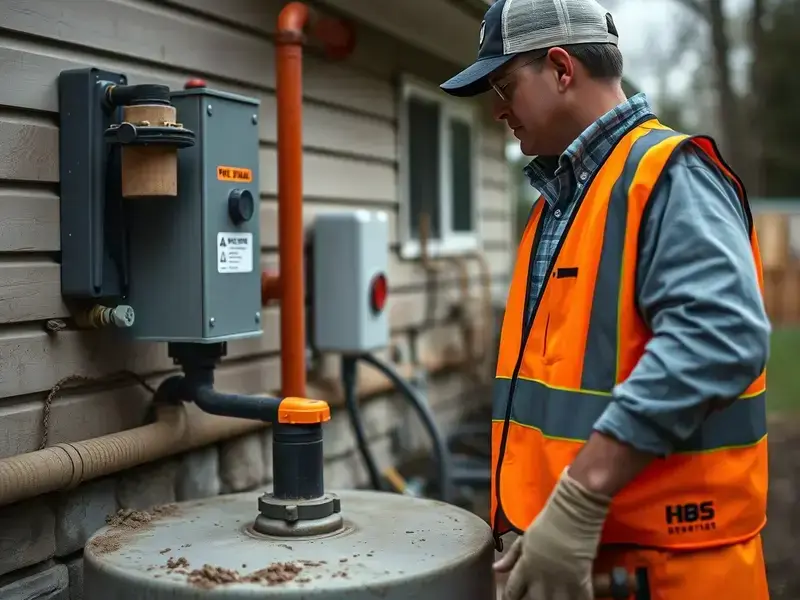
Septic tanks should have risers that extend to ground level with secure lids. If your risers aren't insulated, heat from the tank can escape through the lid, increasing freeze risk.
- Ensure all lids are tight-fitting and secure
- Add insulation board (extruded polystyrene) on top of the tank, extending 2-3 feet beyond the edges
- Install insulated riser lids if you don't already have them
- Check that all access points are clearly marked for easy location under snow
3. Check Your Inlet and Outlet Baffles
Baffles are crucial components that prevent solids from entering your drain field. Damaged or missing baffles can allow solids into the drain field, causing premature failure. Have a professional inspect and repair any issues before winter.
4. Direct Water Away from the Tank
Excess water around the tank can freeze and create pressure against the walls, potentially causing cracks. Ensure your gutters, downspouts, and yard drainage direct water away from the tank location and drain field.
Winter Maintenance: During the Cold Months
Once winter sets in, there are several things you should do (and avoid) to protect your system:
DO:
- Maintain moderate water usage: Using some hot water regularly helps keep the system at a stable temperature
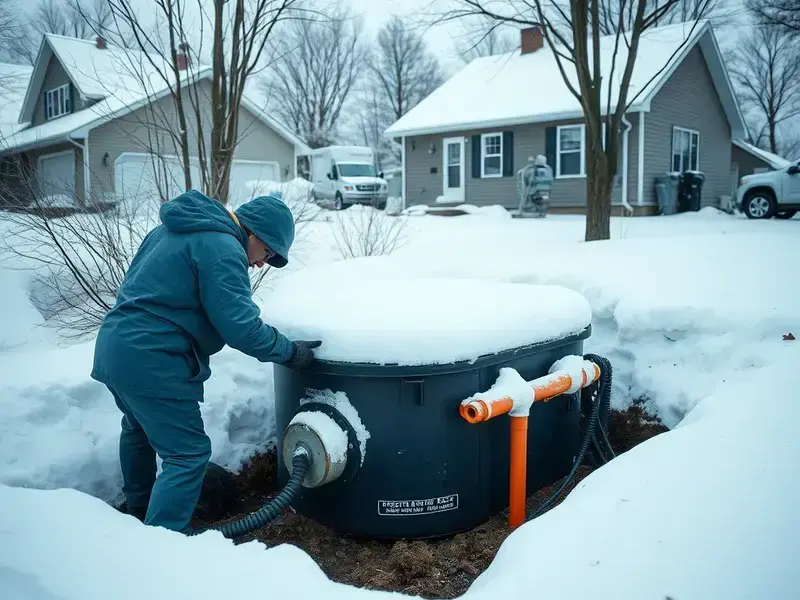
- Keep snow cover: A layer of snow acts as natural insulation. Don't remove all snow from over your tank and drain field
- Fix leaks promptly: Even small leaks from faucets or toilets add cold water to your system
- Use strainers in sinks: Prevent food particles and grease from entering the system
DON'T:
- Don't drive vehicles over the system: Compacted snow and frozen ground can damage shallow components
- Don't plow snow onto the drain field: While snow is good insulation, piles of heavy plowed snow can compact the soil
- Don't use tank additives: Most septic system additives aren't necessary and can be harmful in winter conditions
- Don't neglect unusual sounds or smells: These can indicate developing problems
Vacation Home Considerations
If you have a seasonal property or plan to be away for extended periods during winter, take additional precautions:
- Winterize your plumbing: Drain all water lines and addRV antifreeze to drains and toilets (not the septic system itself)
- Have the tank pumped: A full tank is more likely to freeze when not in use
- Cover access points: Clearly mark lids with tall markers that will be visible above snow
- Consider a heat tape: For inlet and outlet pipes in vulnerable areas
Signs of a Frozen Septic System
If you notice these warning signs, you may already have a freeze problem:
- Toilets flushing slowly or not at all: Especially if multiple fixtures are affected
- Strange gurgling sounds: From pipes when using water
- Sewage odors: Indoors or near the tank
- Wet or warm spots: Over the tank or drain field when snow is melting nearby
What to Do If Your System Freezes
If you suspect a frozen septic system:
- Reduce water usage immediately: Stop using water to prevent backups while you assess the situation
- Check the inlet pipe: Sometimes running warm (not hot) water slowly can help thaw the inlet
- Call a professional: Attempting to thaw pipes yourself can cause damage. Professionals have specialized equipment like steamers
- Document everything: Take photos for insurance purposes if there's damage
Need Help Winterizing?
Our team can inspect your system and prepare it for winter before temperatures drop.